

How Retailers Can Use AI to Improve Customer Experience in 2025
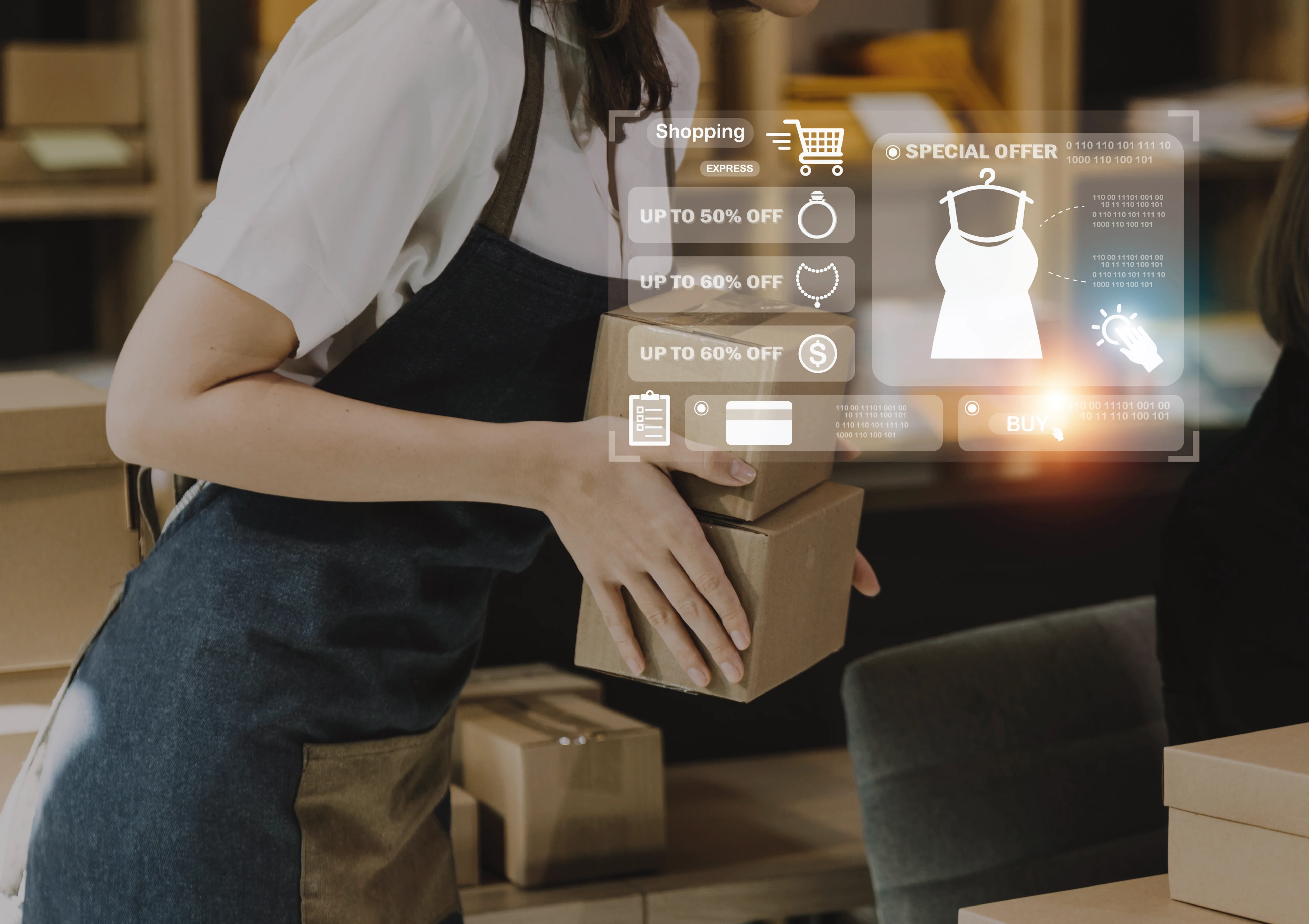
Retail is changing faster than ever. Customers expect more than good products, they want relevance, speed, and personalization. AI in retail 2025 is becoming the backbone of delivering those expectations. For retail businesses who embrace AI for customer experience retail, the gains are huge: higher loyalty, more sales, less friction. Below are key strategies and examples to help you bring AI into your retail business growth.
Key Trends Shaping AI for Retail Business Growth
-
Personalized Shopping Journeys AI algorithms can analyze past purchases, browsing patterns, and customer preferences to deliver product suggestions that feel tailor made. Retailers use this to create curated homepages, recommend items in email campaigns, or even adjust in store displays based on what local customers tend to buy. These tailored experiences not only increase conversion but also make customers feel understood.
-
AI Powered Chatbots and Virtual Assistants Virtual assistants are becoming smarter than ever. These tools reply instantly to customer questions, support checkout, provide inventory info, or even help with returns. Chatbots reduce wait times and free up human agents for more complex issues. Retailers using AI in ecommerce rely on chat for service around the clock and across channels.
-
Hyper Personalization Using Real Time Data Using data from sessions, store traffic, time of day and weather, smart systems can dynamically adjust offers, pricing, or product visibility. For example, promotions that change based on what is trending, or stock that shifts depending on regional demand. AI makes this possible by continuously scanning for patterns.
-
Enhanced In Store Experience Physical stores are adopting AI features that blend offline and online shopping. Think virtual try ons, mirrors that suggest items, in aisle assistants via kiosks, or smart shelves that track inventory and restocking needs. These innovations make shopping more immersive and reduce frustration over missing items.
-
Proactive Customer Service and Sentiment Analysis AI tools help monitor reviews, feedback, and customer sentiment to anticipate issues. If many users complain about sizing, product fit, or delivery delays, AI systems can flag those trends early and alert teams to act. This helps avoid a negative impact on brand trust and loyalty.
How Retailers Should Prepare
- Collect clean customer data and ensure privacy compliance
- Start with pilot AI projects in areas with clear metrics like recommendations or support
- Train staff to understand and trust AI tools
- Choose solutions that integrate with your existing systems such as inventory, CRM, or ecommerce platforms
- Monitor performance and make improvements continuously
If you are planning to integrate smart features into your retail app or online store, our article on AI Trends for App Development in 2025 provides insights into the innovations that are becoming essential for modern businesses.
AI in retail offers a powerful opportunity for retailers who want to stand out. By using AI to personalize, automate, and anticipate customer needs, you can deliver experiences that feel relevant and seamless. In 2025, investing in AI for personalized shopping, better chat support, real time data use, and improved in store features will define who succeeds.



Have an AI project
in mind?
Let's discuss how AI can transform your business.
.avif)